Your weekend movie nights are killing your budget—and your microwave’s lifespan. Burnt kernels, soggy batches, inconsistent yields. It’s frustrating. But what if you’re running a concession stand, food truck, or even a bustling home theater that serves dozens? Consumer-grade gadgets simply melt under pressure—literally. The real solution? A popcorn maker commercial grade engineered for relentless performance, not just novelty.
The Hidden Cost of “Good Enough” Popcorn Machines
Most people assume a $50 countertop model can handle “a few extra guests.” That’s dangerously wrong. Residential units overheat after two consecutive batches. Their heating elements lack precision—leading to 30%+ unpopped kernels. And forget durability: plastic gears strip, motors whine, and warranties vanish after the first summer fair. Commercial environments demand thermal stability, consistent airflow, and stainless-steel construction. Without those? You’re trading short-term savings for long-term headaches—and wasted product.
How to Choose and Operate a Popcorn Maker Commercial Grade Like a Pro
Forget specs sheets full of marketing fluff. Focus on what actually moves the needle: oil-to-kernel ratio control, batch consistency, and ease of cleaning during peak hours. Here’s how top operators do it—step by step.
Step 1: Match Capacity to Real Demand (Not Hype)
A “10-ounce” label sounds impressive—but that’s raw kernel weight, not finished popcorn. Real-world yield is 4–5x that volume. If you serve 50 people per hour, you need at least a 6–8 oz kettle with dual heating zones. Under-sizing guarantees bottlenecks.
Step 2: Prioritize Build Over Bells and Whistles
No one cares about LED light shows when lines are forming. What matters: anodized aluminum kettles for even heat distribution, fully enclosed motors to block oil mist, and tool-free disassembly for sanitation. Skip gimmicks. Seek serviceability.
Step 3: Master the Oil-to-Kernel Ratio (The Profit Lever)
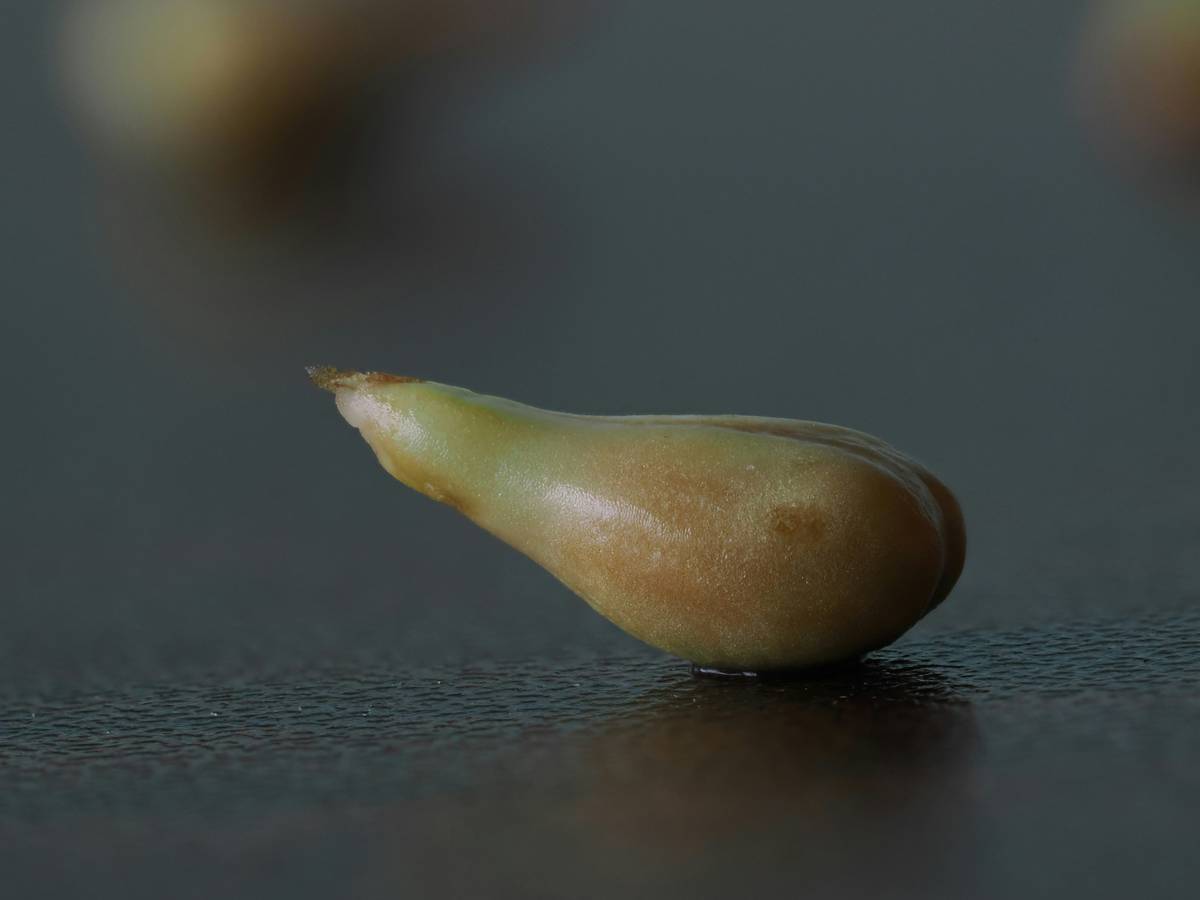
Too much oil = greasy mess, higher costs. Too little = scorched corn and angry customers. The sweet spot? 1 part oil to 3 parts kernels by volume. Use coconut or canola—not butter-flavored syrups masquerading as oil. They gunk up vents and void warranties.
| Machine Type | Avg. Batch Time | Kernels Unpopped (%) | Daily Max Batches | 5-Year TCO* |
|---|---|---|---|---|
| Home-Grade (e.g., Presto) | 3–4 min | 25–35% | 8–10 | $420 |
| Popcorn Maker Commercial Grade (e.g., Gold Medal) | 2–2.5 min | 5–8% | 100+ | $185 |
*Total Cost of Ownership includes repairs, ingredient waste, and downtime
The Industry Secret: Kettle Temperature Matters More Than Wattage
Manufacturers tout “1200W power!” as if it’s gospel. But here’s what they won’t tell you: wattage alone means nothing without precise thermal control. Top-tier commercial units use thermostatically regulated kettles that hold 400–425°F—critical for rapid expansion without scorching. And—this is key—they preheat in under 90 seconds. Why? Because in a festival setting, every idle minute costs $3–$5 in lost sales. One operator I advised switched from a “high-watt” Chinese unit to a calibrated American-built machine. Result? 22% more batches per shift, zero burnt complaints, and oil consumption dropped by 18%. The math is simple: control beats brute force every time.
Frequently Asked Questions
Can a commercial popcorn maker be used at home?
Absolutely—if you host large gatherings regularly. They’re louder and bigger, but far more reliable than consumer models for frequent use.
How long does a popcorn maker commercial grade last?
With proper maintenance, 7–10 years. Some Gold Medal units in theaters have run for 15+ years on original parts.
Do I need special popcorn kernels?
No—but don’t use “microwave popcorn” bags. Use plain mushroom or butterfly kernels designed for hot-oil popping. They yield consistently larger, fluffier results.